September 21, 2026
Managing a commercial fleet requires more than keeping vehicles moving from one destination to another. Fleet owners must consider operating costs, driver safety, equipment reliability, regulatory requirements, and the potential financial impact of unexpected breakdowns. Regular maintenance and timely repairs are essential for keeping trucks and trailers prepared for demanding workloads.
Responsible fleet owners recognize that postponing mechanical service can allow relatively manageable problems to develop into major failures. Making semi truck and trailer repair part of an ongoing maintenance strategy can help businesses address developing issues before they interfere with deliveries, create roadside emergencies, or compromise the safety of drivers and other motorists.
Protecting Vehicle Reliability and Longevity
Addressing Mechanical Problems Before They Escalate
Heavy-duty trucks operate under demanding conditions, often carrying substantial loads over long distances and dealing with changing weather, road surfaces, traffic, and extended operating hours. These conditions place considerable stress on engines, transmissions, braking components, suspension systems, tires, electrical components, and other critical equipment. Even a seemingly minor issue can become more serious when a vehicle continues operating without appropriate attention.
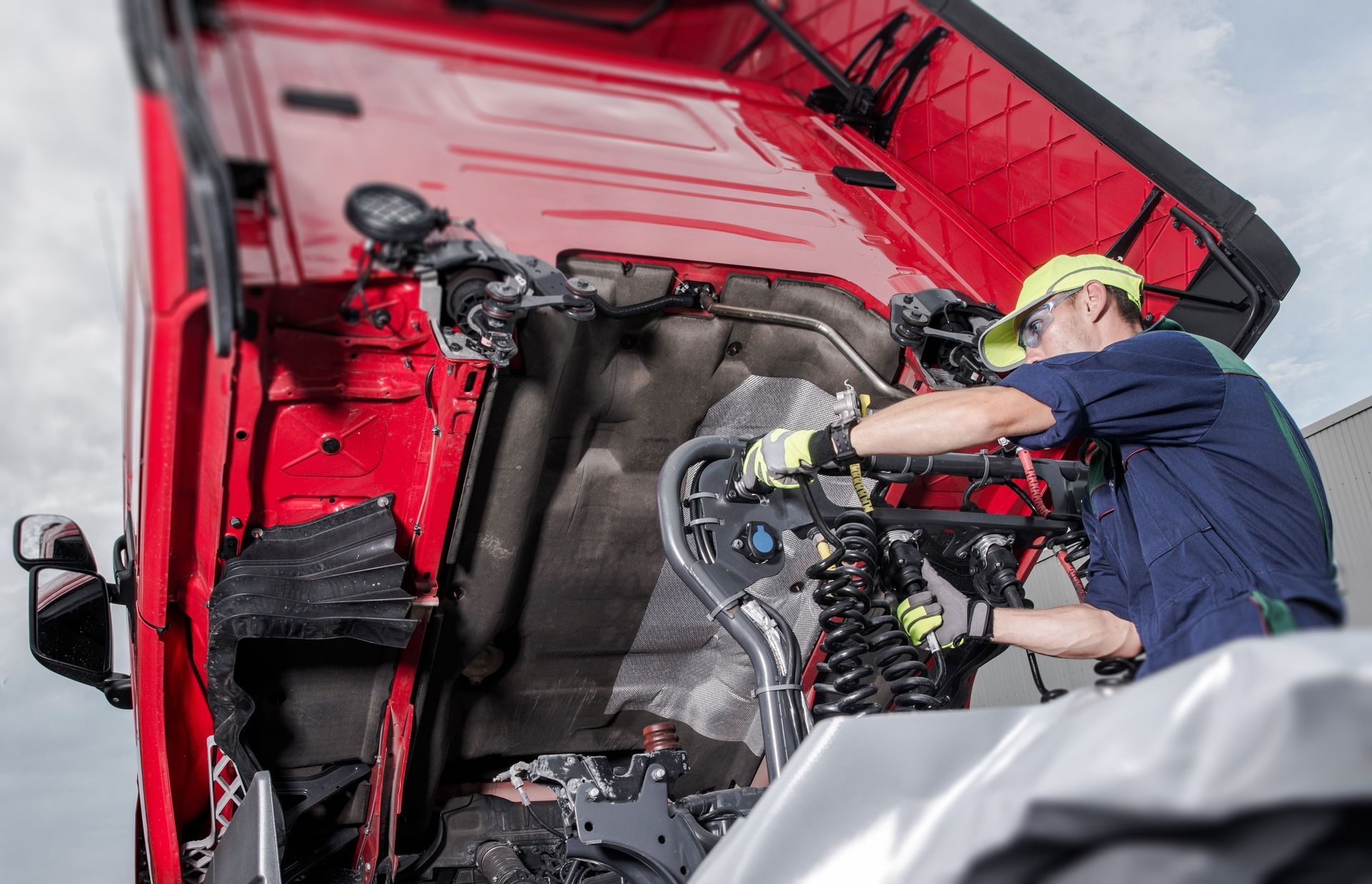
Routine inspections and timely semi truck and trailer repair allow fleet owners to identify problems while they are still manageable. Unusual engine sounds, fluid leaks, declining performance, warning lights, braking irregularities, or difficulty starting should not be dismissed as temporary inconveniences. Prompt diagnosis can help determine the underlying cause and prevent a small mechanical concern from becoming a more disruptive failure.
Supporting Long-Term Fleet Performance
Commercial vehicles represent significant investments, so maximizing their useful service life is an important part of responsible fleet management. According to WifiTalents, a typical semi truck remains in operation for approximately 14.2 years. Keeping a vehicle properly maintained throughout that period can help fleet owners get more value from their equipment while delaying unnecessary replacement expenses.
Semi truck and trailer repair also helps maintain the performance characteristics that commercial vehicles need for demanding work. Engine and transmission problems can affect power delivery, while suspension or alignment concerns may influence handling and tire wear. Addressing these issues through professional service helps keep equipment functioning as intended and supports more predictable fleet operations. Consistent maintenance can also make it easier to plan future service needs instead of responding to repeated failures without warning.
Reducing Downtime and Operating Costs
Preventing Disruptive Roadside Breakdowns
Unexpected breakdowns can create complications that extend far beyond the immediate cost of repairing a vehicle. A disabled truck may delay a shipment, disrupt a driver's schedule, interfere with customer commitments, and require emergency towing or roadside assistance. When a trailer is also affected, the situation can become even more complicated because the cargo and hauling equipment must be considered during the recovery process.
A proactive approach to semi truck and trailer repair can reduce the likelihood that avoidable mechanical problems will result in an unplanned roadside failure. Professional technicians can inspect major systems, diagnose performance concerns, and complete necessary repairs before a vehicle returns to demanding routes. This approach gives fleet owners greater control over maintenance scheduling and reduces the chances of having a vehicle unexpectedly removed from service. It can also help dispatchers plan around scheduled maintenance rather than dealing with an unplanned vehicle outage.
Controlling the Financial Impact of Repairs
Fleet operating expenses can quickly increase when maintenance is repeatedly postponed. A minor leak, worn brake component, electrical fault, or developing engine problem may require a relatively straightforward repair when discovered early. If the issue is ignored, however, related components can become damaged, potentially resulting in a more extensive repair and a longer period of downtime.
Responsible owners therefore view semi truck and trailer repair as an investment in operational continuity rather than simply another business expense. Professional service can address problems throughout the vehicle, including engines, transmissions, electrical systems, brakes, suspension components, and trailer structures. Accurate diagnostics are particularly valuable because they help identify the source of a problem instead of relying on repeated repairs that fail to address the underlying issue. Timely service can also help businesses make more informed decisions about repair costs, vehicle replacement, and future maintenance planning.
Maintaining Safety and Operational Readiness
Keeping Safety-Critical Systems Functional
A commercial truck must be mechanically sound to operate safely on public roads. Braking systems, steering components, suspension systems, lighting, tires, and other safety-related equipment require consistent attention because failures can create serious risks. Trailer components also deserve careful inspection, particularly when equipment is subjected to frequent loading, unloading, and highway travel.
Professional semi truck and trailer repair allows qualified technicians to evaluate these systems and correct problems that could affect safe operation. Services may include brake work, suspension and alignment services, electrical repairs, structural trailer work, and other repairs involving essential components. Addressing safety concerns promptly also helps fleet owners prepare vehicles for required inspections and maintain compliance with applicable transportation standards. Thorough inspections can reveal developing concerns that might otherwise remain unnoticed until they affect vehicle performance.
Preparing Trucks for Demanding Routes
Fleet owners cannot always predict what conditions their vehicles will encounter during a route. Trucks may travel hundreds of miles, carry heavy loads, encounter steep grades, operate in extreme temperatures, or spend extended periods in stop-and-go traffic. Equipment that performs adequately during light-duty use may reveal weaknesses when exposed to these more demanding conditions.
Regular semi truck and trailer repair helps fleet operators keep equipment ready for the work it is expected to perform. Preventative maintenance can identify worn or damaged components before a vehicle is assigned to a demanding route, while comprehensive inspections can uncover concerns involving the tractor, trailer, or both. Maintaining the entire rig rather than focusing only on the truck itself provides a more complete approach to operational readiness. This broader perspective is especially useful for fleets that handle local deliveries, agricultural transportation, construction hauling, or other work that places substantial demands on commercial equipment.
Making Professional Service Part of Fleet Management
Responsible fleet ownership requires an ongoing commitment to maintenance rather than waiting for obvious failures to occur. A structured service approach can help businesses monitor vehicle condition, address warning signs, and schedule repairs around operational demands. This is especially important for fleets that depend on consistent vehicle availability to meet delivery schedules and maintain customer relationships.
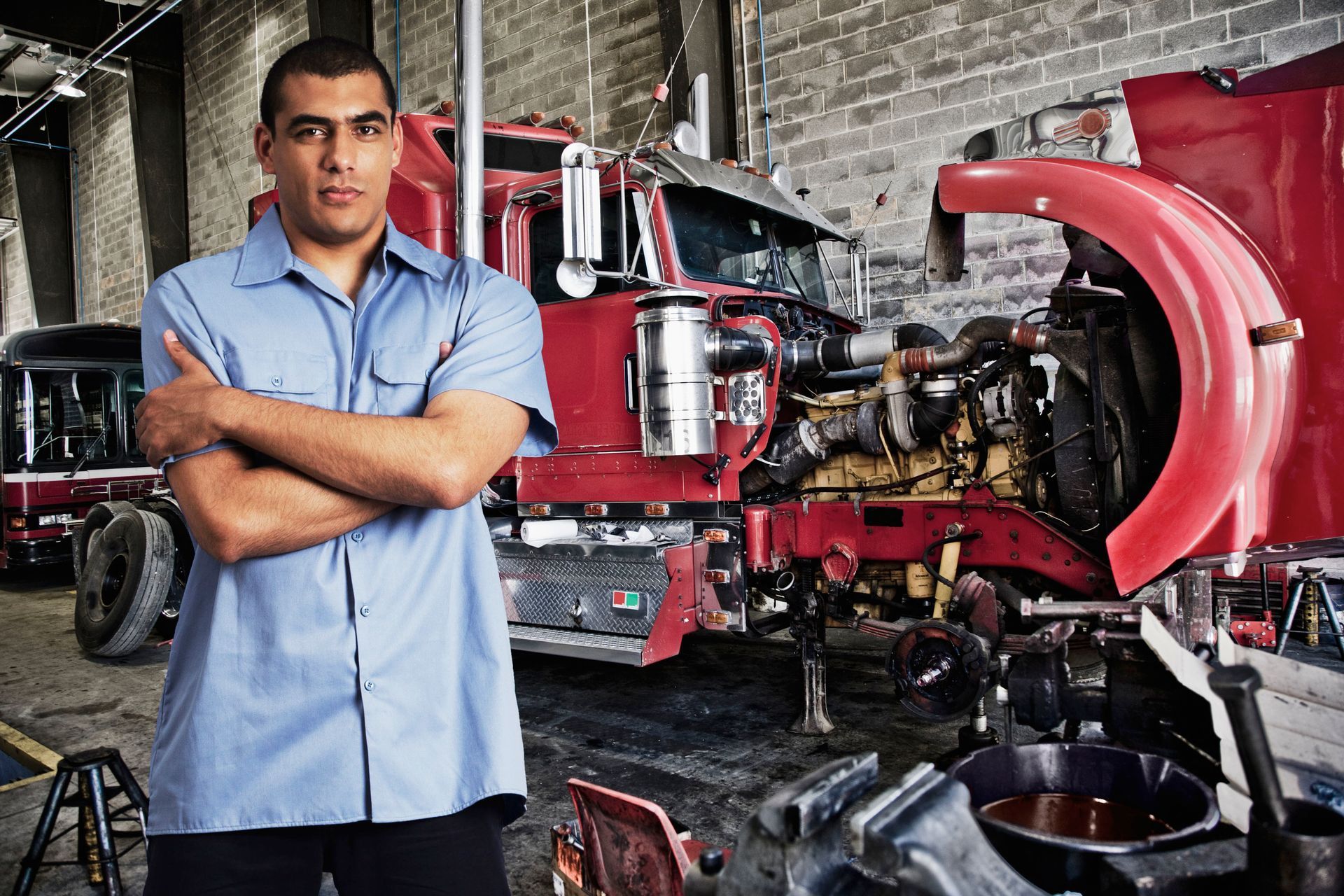
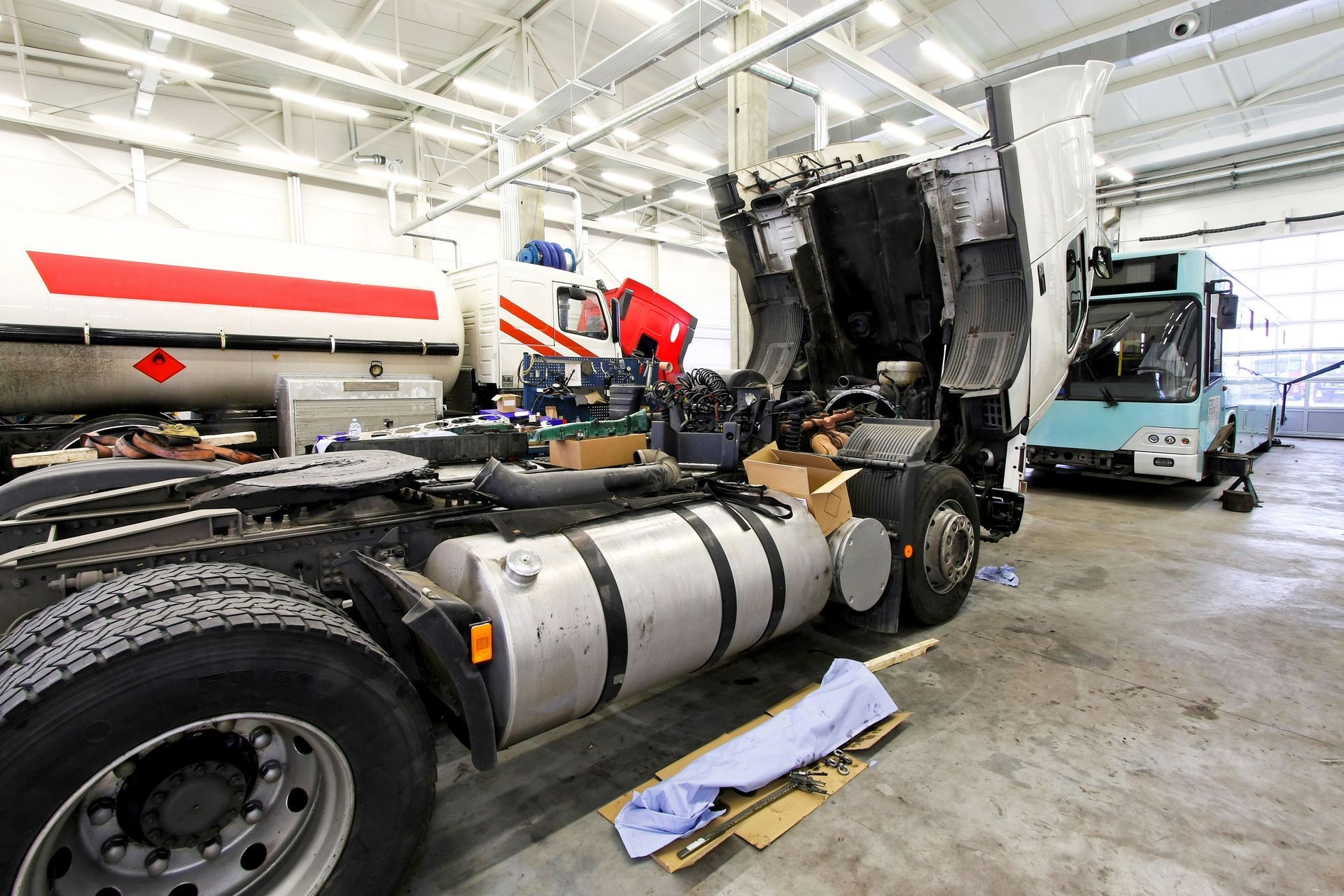
Professional repair providers can support this process by handling a broad range of heavy-duty service needs. Experienced technicians can work on different truck makes and models while addressing mechanical, electrical, braking, suspension, transmission, and trailer-related concerns. Access to diagnostic equipment, specialized tools, and appropriate replacement components can also help ensure repairs are performed accurately and efficiently. Choosing a provider capable of servicing both tractors and trailers can simplify fleet maintenance by giving owners one resource for multiple equipment needs.
Fleet owners who prioritize maintenance understand that vehicle reliability directly affects safety, productivity, and operating expenses. Delaying necessary service can increase the likelihood of breakdowns and create costs that extend well beyond the repair itself. A proactive maintenance mindset can help businesses protect their investments while keeping daily transportation operations more predictable.
Making semi truck and trailer repair a consistent part of fleet management helps businesses address mechanical concerns, protect valuable equipment, reduce unexpected downtime, and keep trucks prepared for demanding routes. Keep your fleet moving with professional repair services from Marv's Towing & Repair, Inc designed to minimize downtime and keep your trucks ready for the road.